Author: Lokiru Samuel, APCA.
When a young girl was referred to the Uganda Cancer Institute after months of uncertainty, her family entered a world they never expected to navigate. Today, through conversations that ask children not only what hurts but also what matters, her voice is helping illustrate a quiet transformation taking place in pediatric palliative care across Africa.
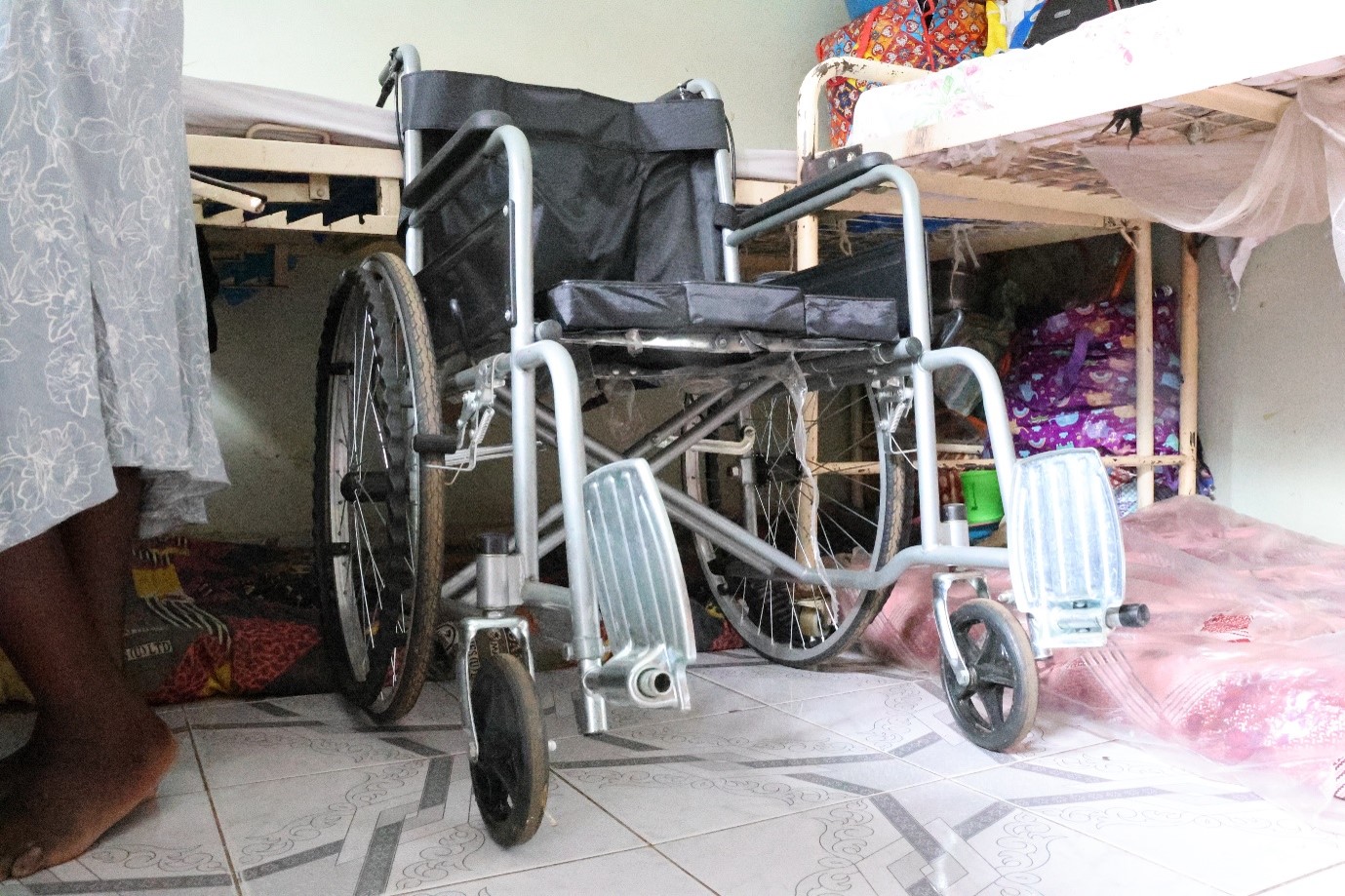
This is a wheelchair of Priscila, standing between two metal beds inside a children's hostel at Kawempe Home Care in Kampala. Around it is signs of a family temporarily uprooted by illness.
Colourful bags containing clothes and personal belongings are stacked beneath one bed and piled on top of another. Mosquito nets hang loosely from the frames. At the edge of the scene, a mother's bare feet are visible beside the bed where her daughter lies.
Just beyond the frame, a palliative care specialist leans forward, speaking softly and patiently with the child.
A year ago, neither Priscila nor her mother imagined they would need this wheelchair.
Today, the girl occasionally stretches her legs as she speaks. The movement appears small, almost ordinary. For her mother, however, it represents progress.
The Fall That Changed Everything
Before May 2025, life looked very different.
Like many children in rural Uganda, Priscila spent her days helping with household chores, attending school, and playing with friends. One day, she joined other children on a trip to fetch water.
As children often do, they turned work into play.
At some point, she climbed a tree.
Then she fell.
According to her mother, the family learnt later that the child had lost consciousness briefly. When she eventually regained awareness, she said little about what had happened, even her friends feared to mention the incident to anyone.
“She did not tell me immediately,” her mother recalls. “We only started noticing that something was not right later.”
What followed was a journey that many families navigating serious illness know all too well.
Hospital visits.
Referrals.
Questions without immediate answers.
Growing uncertainty.
As the weeks passed, the family continued searching for help. What initially appeared to be an injury became increasingly difficult to explain.
The pain persisted.
The worry grew.
Then came a referral to the Uganda Cancer Institute.
Her mother still remembers the moment they arrived.
“When I saw the words ‘Uganda Cancer Institute’ on the building, I broke down,” she says quietly, her gaze drifting away for a moment as though revisiting the memory.
Until then, she had held onto the hope that her daughter's condition would eventually improve and that life would return to normal.
Seeing the name on the building forced her to confront a different possibility.
“That is when I realized this was something much bigger than we had imagined.”
Around them were crowded corridors filled with families carrying medical files, children connected to drips, wheelchairs moving slowly between wards, and caregivers trying to find places to rest after long days of waiting.
Like countless families across Uganda, they suddenly found themselves navigating not only illness, but also fear, disrupted routines, financial pressure, and uncertainty about the future.
Listening to What Children Carry.
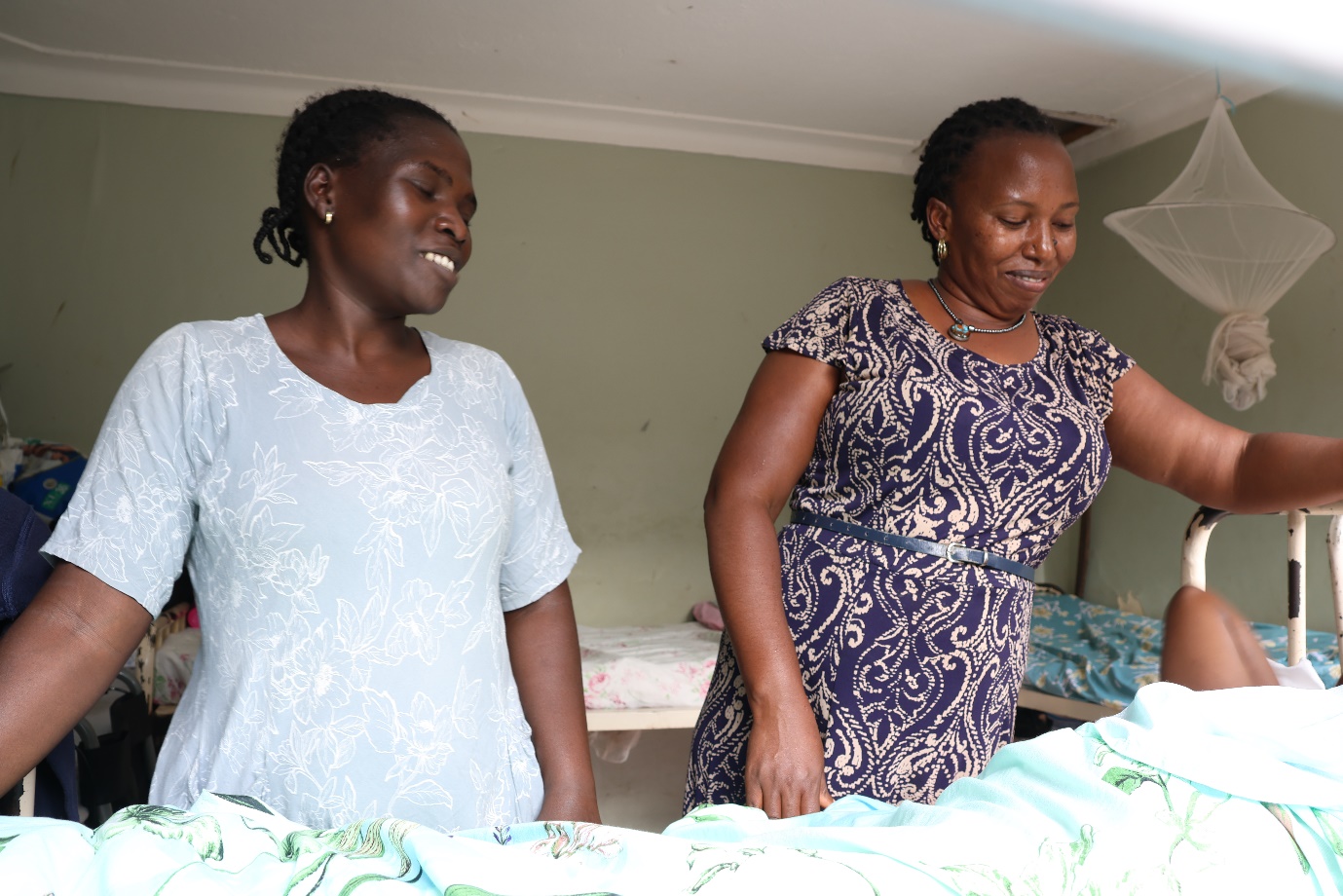
Today, the girl remains on that journey.
There are still difficult days.
Treatment continues.
The wheelchair remains beside her bed.
But something important has changed.
For the first time in months, she is speaking openly about what she feels.
“Thank you for coming to visit me,” she says softly.
“I am much stronger now. I can slightly stretch my legs again, and I can talk more with my mother.”
She pauses before continuing.
“When I get better, I want to go back to school. I miss playing with my friends. Sometimes I think about them and wonder how far they have gone with their studies. I want to catch up with them.”
As she speaks, her mother's expression changes.
Moments earlier, she had been smiling while massaging her daughter's feet gently beside the bed.
Now she listens in silence.
Her eyes remain fixed on her daughter.
For a few seconds, the room grows still.
For a parent who has spent months watching her child endure pain and uncertainty, hearing her speak about school, friendship, and the future feels significant.
The conversation transitions from medicine to hope.
And it is precisely these conversations that are helping shape a steady transformation in pediatric palliative care across Africa.
The Stories Hidden Behind Hospital Doors
One afternoon at Mulago National Referral Hospital, the corridor inside the children's ward stands unusually quiet.
The usual movement of mothers, caregivers, nurses, and patients that normally fills the passageway has eased, leaving behind a rare stillness.
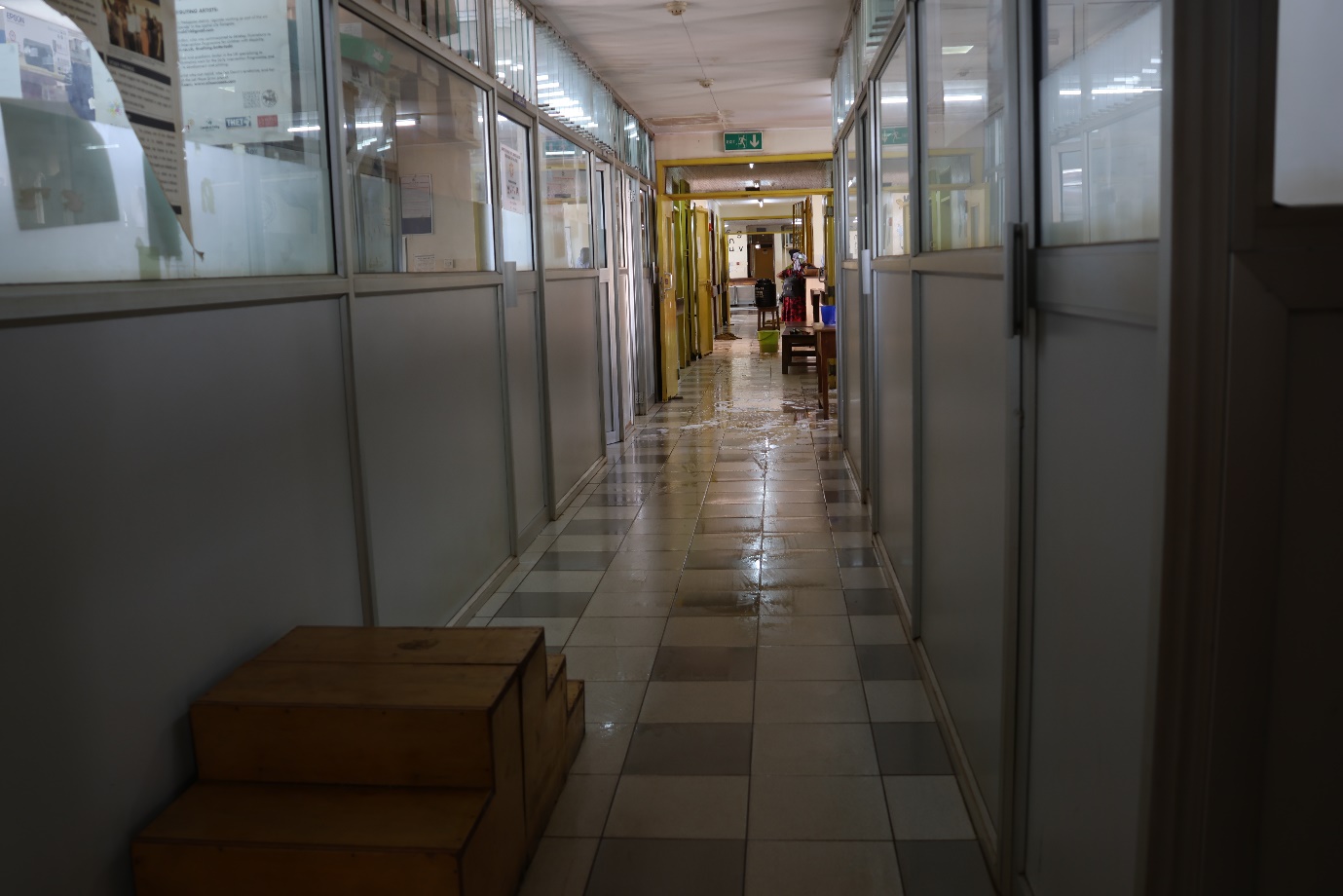
but behind the ward doors are stories that remain largely unseen.
Children living with cancer and other serious illnesses.
Families trying to balance treatment, transport costs, lost income, and the emotional strain that often accompanies prolonged illness.
Some of these struggles are visible.
Others are not.
A child's pain can often be measured but fear is harder to see, and loneliness rarely appears in a medical chart.
Anxiety about missing school, falling behind classmates, or watching parents struggle can remain hidden for months.
For years, healthcare workers have relied heavily on observations from caregivers and clinical assessments to understand how children are coping.
Increasingly, however, pediatric palliative care teams in Uganda are asking a different question.
What happens when children are given the opportunity to speak for themselves?
Creating Space for Children's Voices
The answer is emerging through the Children's Palliative Outcome Scale, commonly known as C-POS.
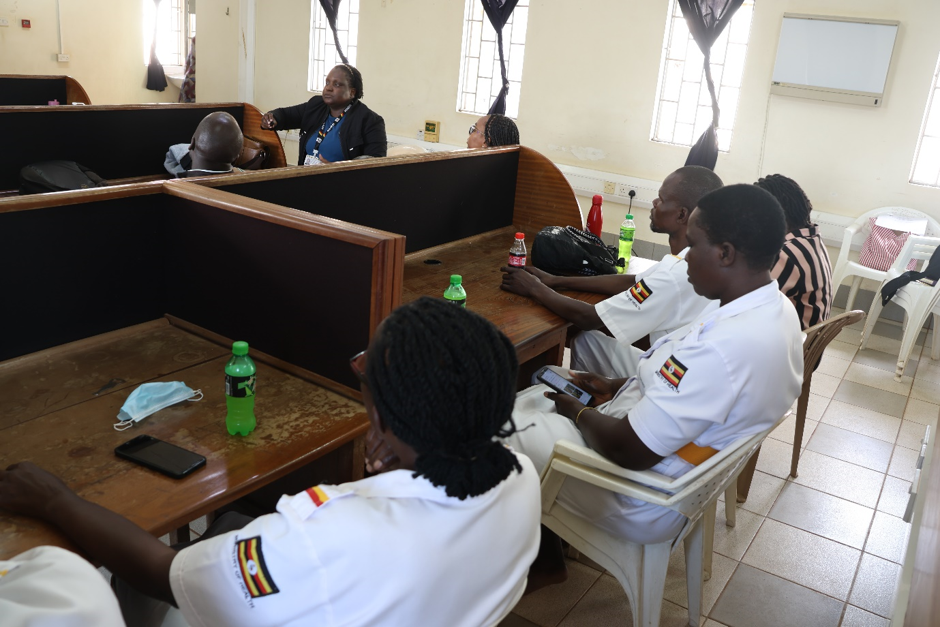
The tool helps healthcare workers explore how children living with serious illness are experiencing life beyond their physical symptoms. Through structured conversations, clinicians are able to understand emotional, social, and psychological concerns that might otherwise remain unspoken.
The growing use of C-POS in Uganda is being supported through efforts led by the African Palliative Care Association and its partners, who are working to strengthen evidence-informed pediatric palliative care across the continent.
The momentum continues to grow.
Recently, the tool was launched in Nigeria, marking another step towards ensuring that children's voices are incorporated more consistently into palliative care services across Africa.
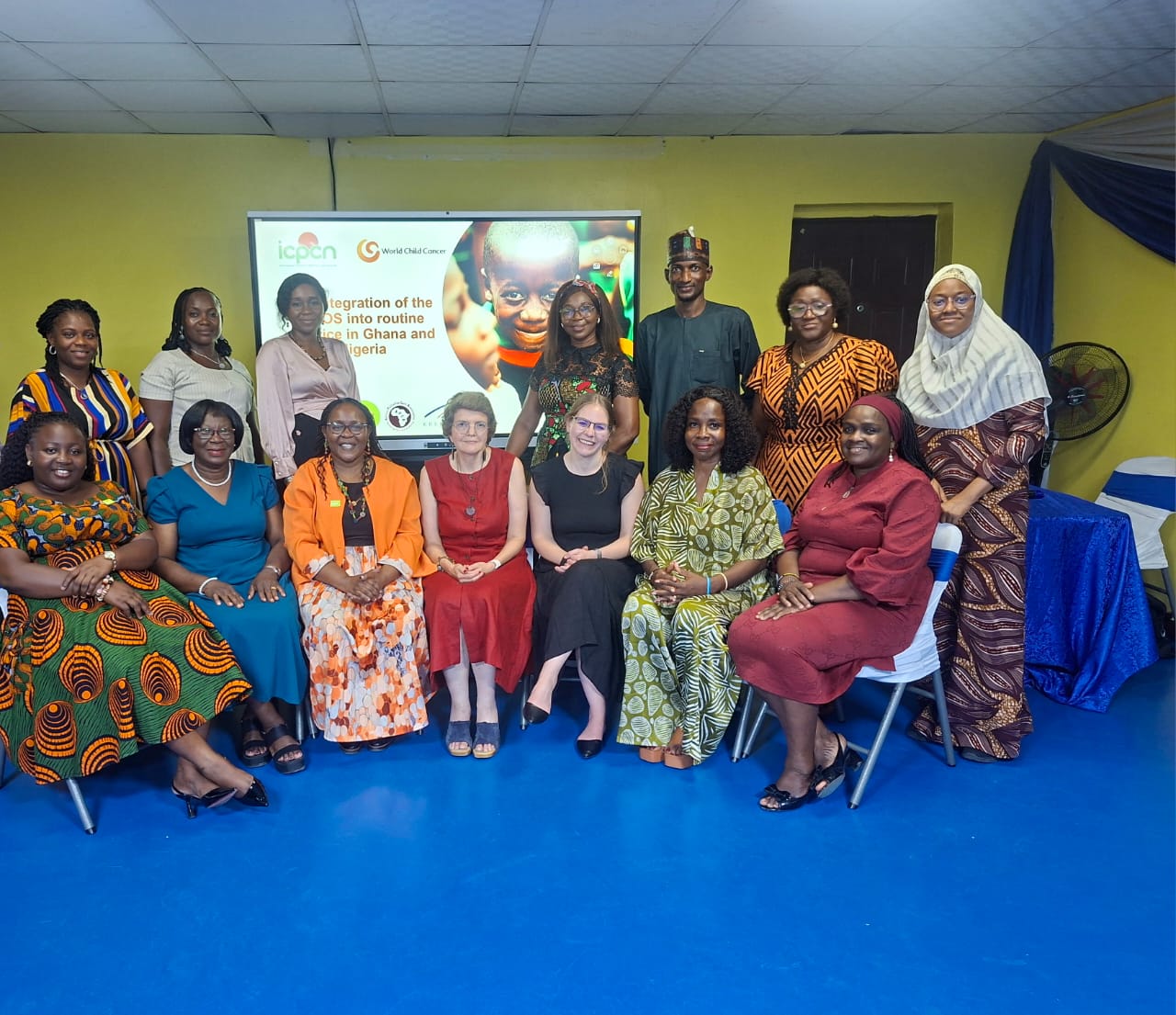
According to palliative care advocates, the significance of the tool extends beyond assessment.
It represents a shift in perspective.
For generations, adults have largely spoken on behalf of children in healthcare settings.
C-POS creates space for children to describe their own experiences.
What Children Tell Us
“What children tell us is often different from what adults assume they are feeling,” explains one palliative care nurse involved in the implementation of the tool.
“Sometimes a caregiver will tell us the child is improving because they are quieter. Then, when we sit down and have a conversation with the child, we discover fears, worries, or concerns that nobody knew existed.”
Another nurse says the conversations have changed how she understands care itself.
“We tend to focus on treatment, medication, procedures, and appointments because those are important. But children are living through much more than a diagnosis.”
She pauses before continuing.
“One child told me she worried more about the lack of food at home than her illness. In another case, a child continued calling using his mother's phone after discharge, asking, ‘Nurse, when are you coming home again to see me?’”
Through C-POS, healthcare workers say they are beginning to uncover dimensions of suffering that often remain hidden beneath the surface.
Not because children are unwilling to speak.
But because nobody had previously taken the time to ask.
More Than a Diagnosis
The conversations taking place in pediatric wards today may seem simple.
A nurse asks a question.
A child responds.
The answer is recorded.
But healthcare workers say the information gathered through these exchanges is beginning to reveal important patterns.
Children are speaking more openly about emotional distress.
Families are seeking psychosocial support earlier.
Healthcare teams are identifying concerns that might otherwise go unnoticed until they become crises.
For palliative care practitioners, these conversations are about more than collecting information. They are about understanding childhood illness through the eyes of the child. The insights gathered can help shape services, strengthen training, and ensure care responds to realities that are often missed during routine clinical encounters.
Dr. Eve Namisango, a palliative care researcher and advocate at the African Palliative Care Association, believes the shift begins with a simple principle: children should be heard.
“When we listen to children, we gain insights that can improve the quality of care they receive,” she explains.
“Children are experts in their own experiences. Giving them a voice helps healthcare workers, caregivers, and health systems respond more effectively to what matters most.”
A Voice of Her Own
The impact of that philosophy is perhaps best understood not through data or reports, but through moments like the one unfolding beside a hospital bed in Kampala.
The young girl pauses after speaking about returning to school.
For a brief moment, her attention shifts towards the wheelchair standing beside her bed.
It remains a visible reminder of a journey that is not yet over.
Recovery continues.
Treatment continues.
Questions about the future remain.
Yet the conversation in the room feels different from the uncertainty that surrounded the family months earlier.
The girl who once carried much of her experience in silence now speaks openly about her hopes.
She speaks about her friends.
She speaks about her education.
She speaks about getting stronger.
Most importantly, she speaks for herself.
Beside her, her mother listens.
The palliative care specialist listens.
The healthcare team listens.
And through a tool designed to make children's experiences visible, an important shift is taking place.
In hospitals across Uganda, children living with serious illness are increasingly being asked not only what hurts, but also what matters.
The answers are helping reshape pediatric palliative care one conversation at a time.
The wheelchair still stands beside the bed.
The road ahead remains uncertain.
There will be more hospital visits, more difficult days, and questions that cannot yet be answered.
But something has changed.
The child who once carried her fears quietly now speaks about her hopes, her friendships, her education, and her future.
In a busy hospital ward, that may appear to be a small thing.
Yet for children living with serious illness, being heard can change everything.
Across Uganda, healthcare workers are learning that some of the most important aspects of suffering cannot be seen on scans, measured through tests, or captured in medical records.
They must be spoken.
And someone must be willing to listen.


