Author: Lokiru Samuel. African Palliative Care Association.
When people hear about the death of a community member, the compound of the deceased becomes a village.
Women move between cooking pots balanced over open fires. Men arrange benches beneath mango trees. Children, too young to understand death, weave through clusters of mourners. Relatives arrive from distant towns. Neighbours appear carrying sugar, firewood, sacks of charcoal, and whatever else they can spare.
Nobody receives an invitation.
People simply come.
In many African communities, grief is rarely faced alone. The death of a loved one summons an unwritten social contract. Families gather. Prayers are offered. Meals are shared. Stories are told and retold long into the night.
At the centre of it all is the bonfire.
Its glow illuminates faces softened by memory. Around it, people speak of the deceased in the present tense before correcting themselves. Someone recalls a childhood story. Another remembers a joke that still provokes laughter despite the circumstances. For a few hours, grief loosens its grip.
The fire burns through the night.
Then another night.
Sometimes a third.
And then, almost as suddenly as they arrived, people begin to leave.
The tents are dismantled.
The borrowed chairs are returned.
The cooking pots disappear.
The compound grows quiet.
But grief does not leave with them.
Inside the house, the empty chair remains where it has always been. Clothes still hang behind the bedroom door. A familiar voice is absent from conversations that once felt ordinary.
The funeral is over.
Bereavement is just beginning.
For generations, African societies have relied on community to carry families through loss. Mourning rituals, night vigils, communal meals, prayer gatherings, remembrance ceremonies, and visits from relatives have served a purpose beyond tradition. They create spaces where grief can be shared rather than endured alone.
Yet as communities evolve, an uncomfortable question is emerging.
What happens after the funeral?
Who notices the widow sitting alone three weeks later?
Who checks on the caregiver whose daily routine revolved around caring for someone who is no longer there?
Who listens when a child begins asking questions that adults struggle to answer?
Unlike physical illness, grief leaves no visible wound.
It does not appear on a laboratory report. It cannot be measured by a blood pressure machine. But its effects can ripple through families for months and sometimes years. Relationships change. Roles shift. Financial pressures emerge. Loneliness settles into homes that were once full.
These are the realities that caregivers and bereavement counsellors encounter every day.
Before becoming a bereavement counsellor, Namaganda Regina thought grief belonged to funerals.
Years of walking alongside grieving families have taught her otherwise
"The hardest conversations rarely happen beside the grave," she says. "They happen later, when everyone else has gone home."
She remembers visiting families weeks after a burial and finding people struggling beneath the weight of emotions they had hidden during the funeral period. Some carried guilt. Others felt abandoned. Many simply wanted someone willing to sit and listen.
"You carry many stories with you," she says. "Sometimes people are not looking for answers. They want someone to acknowledge their pain."
The work is quiet and often unseen.
There are no headlines when a counsellor spends an afternoon listening to a grieving mother. No public recognition for the community volunteer who walks several kilometres to check on a widower living alone. No ceremony marking the moment a family begins speaking openly about a loss they have struggled to confront.
But these small acts can alter the course of healing.
Months after losing his wife, Regina recalls a conversation she had with Francis about life after loss.
According to Regina, Francis told her that certain evenings are still difficult.
"The house feels different now," he said.
She remembers him describing how memories often arrive without warning, a song on the radio, a familiar pathway, or the empty space at the dinner table bringing back moments they once shared.
Regina says Francis has slowly begun rebuilding parts of his life. He attends community gatherings again and speaks more openly about his loss than he could in the days immediately following the funeral.
But grief, she explains, has not disappeared.
Recalling his words, Regina says Francis told her, "People think grief ends. It doesn't. You simply learn how to carry it."
This experience reflects a reality shared by countless families across the continent.
Every year, millions of Africans lose loved ones.
Most receive condolences.
Far fewer receive support once the mourning period has passed.
The difference between the two may determine whether grief becomes a journey toward healing or a burden carried in silence.
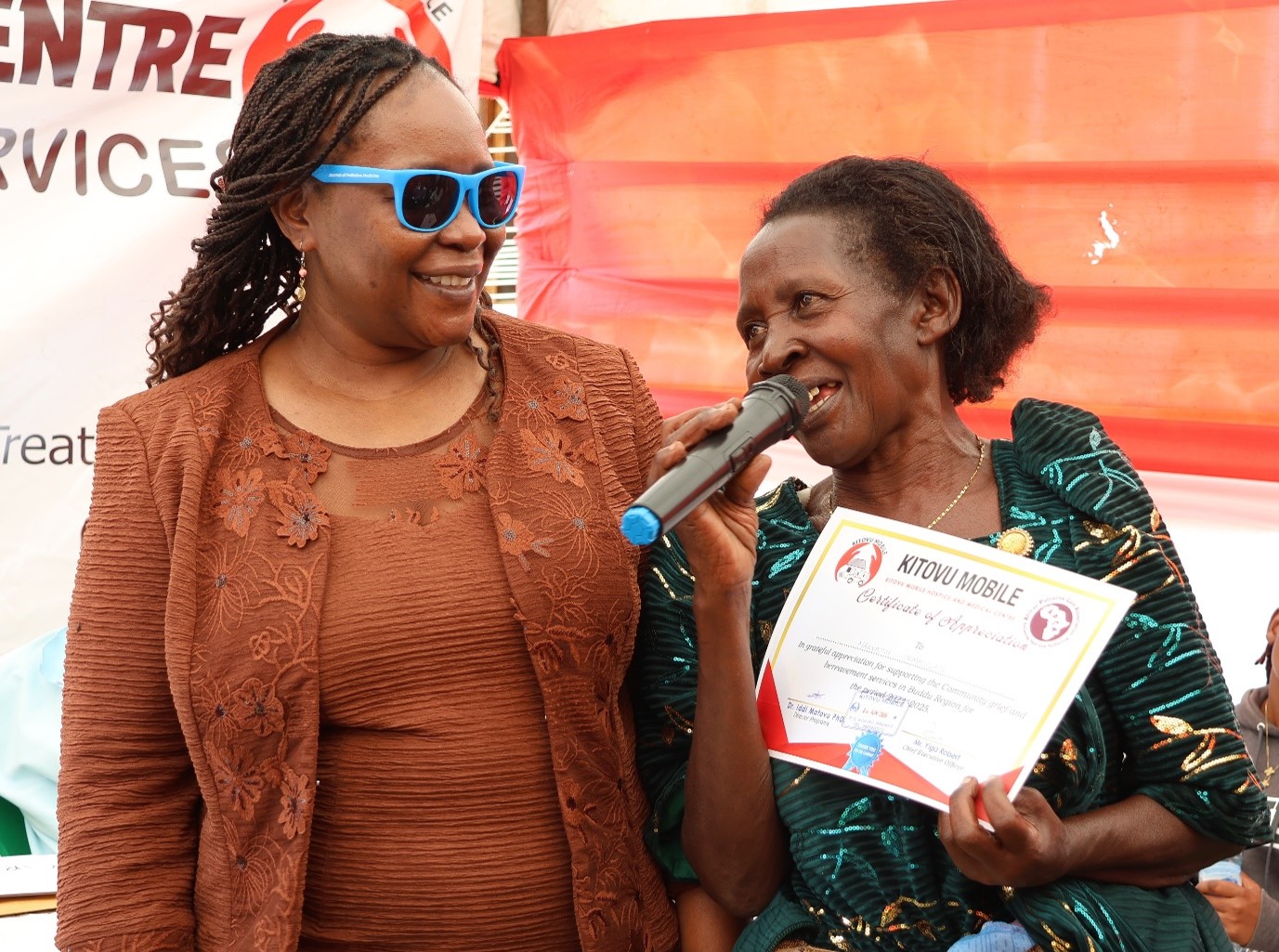
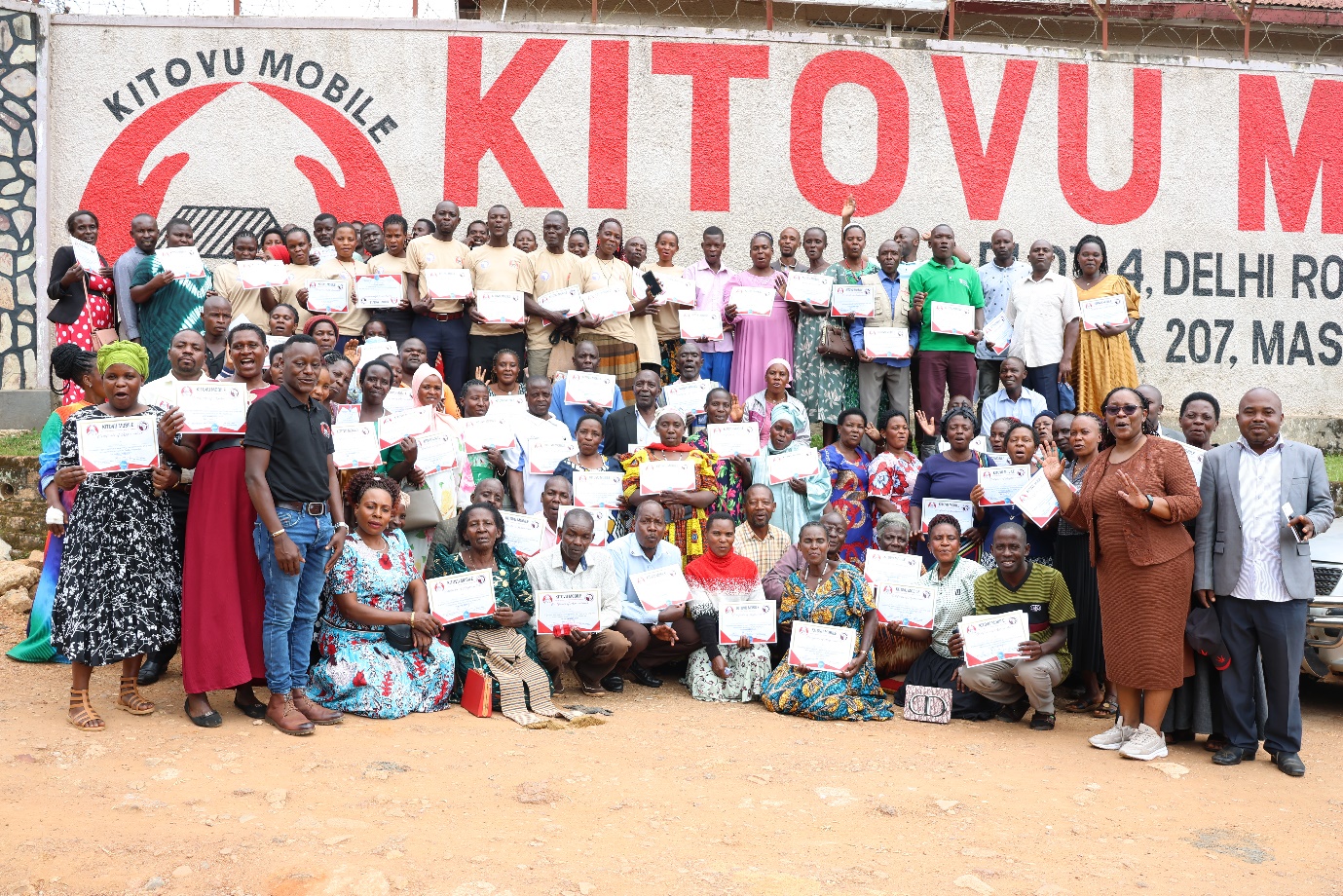
Recognizing this growing need, the African Palliative Care Association (APCA), in partnership with Kitovu Mobile, has been supporting efforts to strengthen grief and bereavement care across the Greater Masaka region. The initiative focuses on equipping caregivers, counsellors, community volunteers, and healthcare workers with skills to support individuals and families navigating loss.

For Dr. Idi Matovi, Deputy Chief Executive Officer of Kitovu Mobile, the work is rooted in values that African communities have long understood.
"Bereavement support is not new to our communities," he says. "Our cultures have always recognized the importance of standing with families during times of loss. What is changing is the context in which people grieve."
He points to growing social and economic pressures that are reshaping traditional support systems.
"We must ask ourselves difficult questions," he says. "How many caregivers are struggling silently after losing someone they cared for? How many children are trying to understand death without guidance? How many families are carrying grief alone because the support they once relied upon is no longer available?"
For him, strengthening bereavement care is not merely about providing services. It is about protecting a culture of compassion that risks being weakened by changing times.
At APCA, grief and bereavement are increasingly being recognized as essential components of palliative care.
According to APCA Executive Director Dr. Eve Namisango, conversations about suffering cannot end when a patient dies.
"When we talk about suffering, we often focus on the patient," she says. "But suffering does not end at death. It changes shape."
She believes health systems and communities alike must pay greater attention to those left behind.
"If palliative care is about relieving suffering, then our responsibility must extend beyond the end of life. Families need support not only during illness, but also as they learn to navigate life
Her words point to a broader challenge facing societies across Africa.
The question is not whether grief exists.
The question is whether we are prepared to respond to it.
As countries work to strengthen palliative care services, grief and bereavement remain among the least visible dimensions of care. Yet they affect every community, every culture, and eventually every family.
The caregivers, counsellors, community volunteers, faith leaders, and relatives who accompany grieving families perform work that often goes unnoticed. They arrive after the crowds have dispersed. They return when phone calls become less frequent. They remain present when silence settles into a home.
The funeral lasts three days.
Bereavement can last a lifetime.
Perhaps that is why the question matters.
When the bonfire dies out and the mourners return home, who remains?
The answer may determine how Africa cares not only for those who are dying, but also for those learning to live after loss.


