
Episode 3 - Buvuma Island
Palliative care across Africa's islands, where distance, water and limited services can determine who gets care and who is left behind.
Author: Lokiru Samuel – APCA
On this day, September 3, 2026, we travel to one of the islands in Buvuma District, on the shores of Lake Victoria in Uganda, and the journey begins with a ferry. Two colleagues from Rays of Hope Hospice Jinja are with me: Irene, a clinical officer, and Josephine, a social worker. They carry patient notes, medicines and the tools they need to provide care.
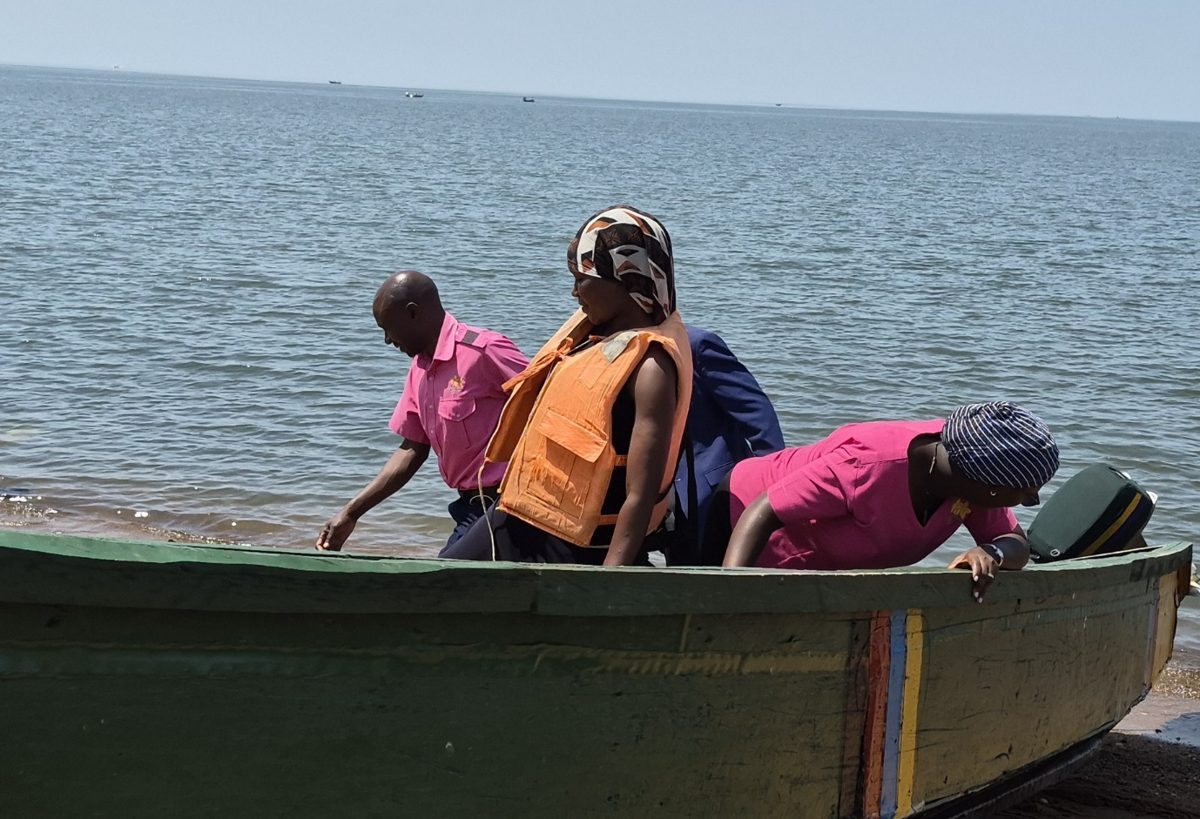
The ferry takes us only part of the way. After reaching the first main island, we drive for another 40 minutes before the road gives way to the lake again. To move from one small island to another, we now need a small boat. The ferry does not reach this side of the island, and there is no route that can carry the car across.
At this point, the team has to decide whether to wait for patients who can cross the lake by boat or serve only those who are within reach. For patients living on the smaller islands across the lake, reaching where we are requires a combination of small boats and, in some cases, walking across one island before boarding another boat to continue the journey, each leg adding another layer of barrier between a patient and the care they need.
Then we meet Shadia, whose terminal illness has made her intimately familiar with the geography she must navigate so frequently in search of care.
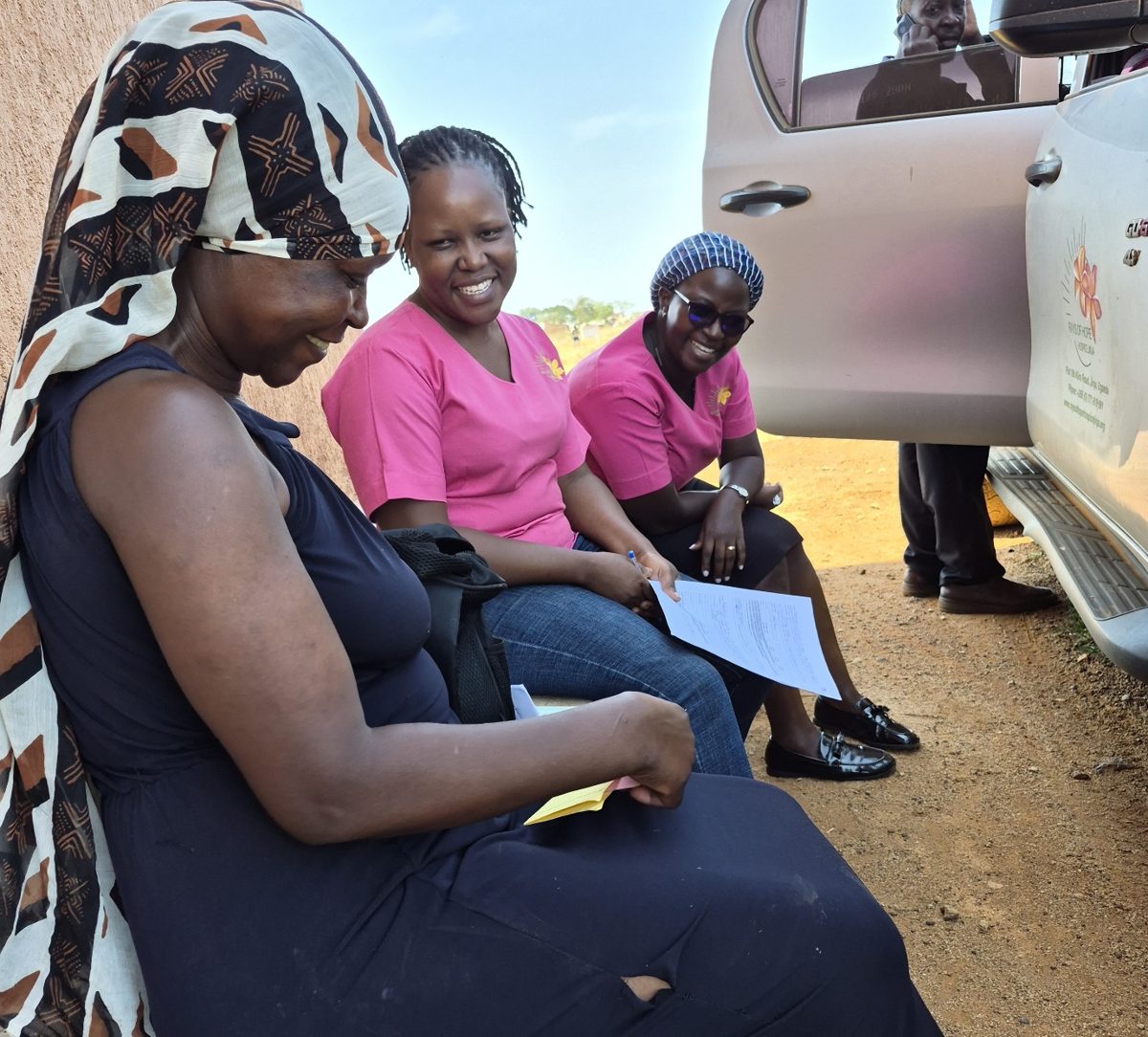
When she needs to travel to a health facility, her day can begin at around three in the morning, and it may be close to 10 a.m. before she arrives. Her journey involves small boats and crossings between islands, followed by boda boda rides and, sometimes, trekking on foot to the health facility.
When Shadia sees us, her face opens with a big smile in the distance, and the team welcomes her with the same warmth and charisma they have brought with them. The conversation begins with familiarity and warmth.
"You look beautiful," Irene tells her.
Josephine quickly jokes that they have brought her a young man, (referring to me).
Shadia laughs, and for a moment, all of us laugh too.
It is an ordinary exchange, but it says something important about what care can mean. Serious illness has a way of narrowing how people see one another until the diagnosis becomes the most important thing about the person. In this moment, Shadia is simply Shadia, someone who can be teased, who can laugh and who can smile when the palliative care team arrives by ferry to see how she is doing.
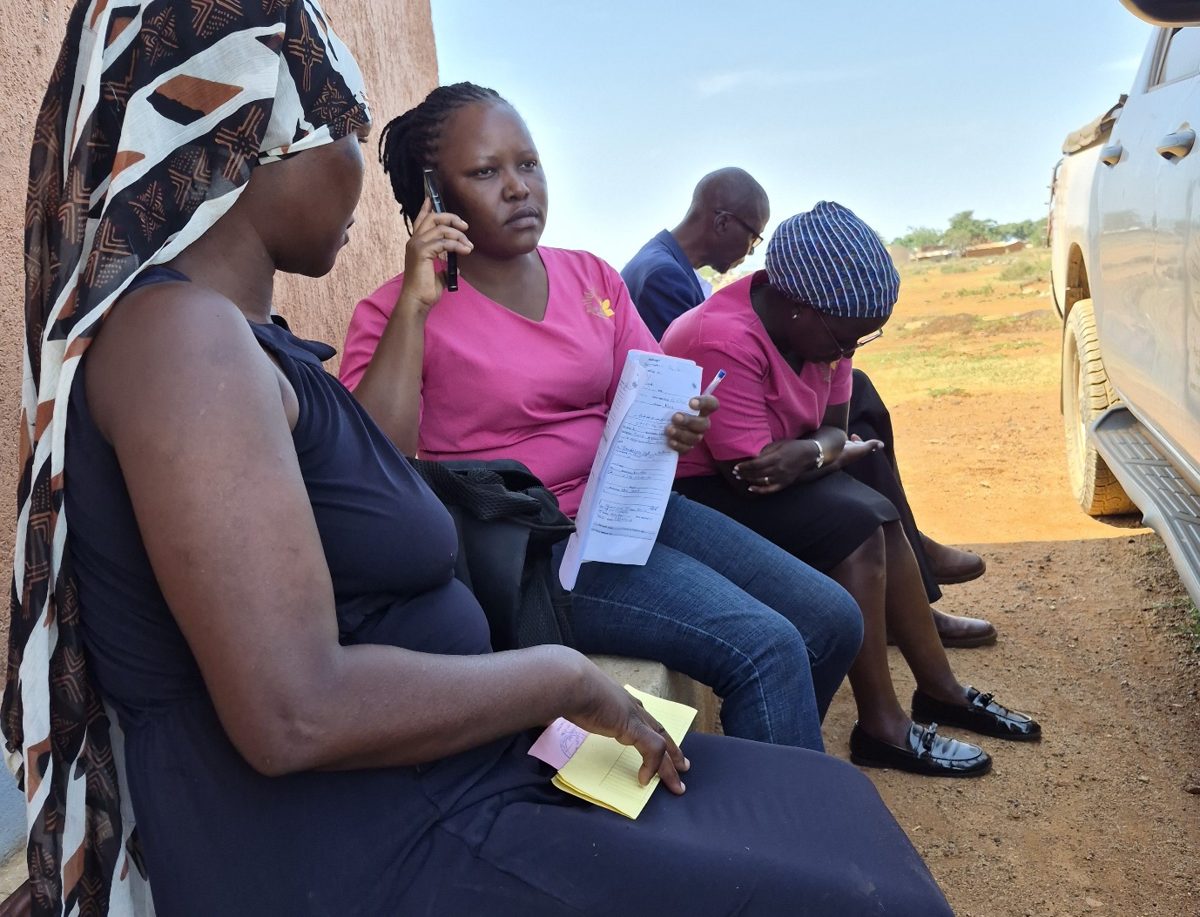
The team sits with her, and Irene goes through her notes and assesses her condition before giving her medication to help her manage over the next few days. Then the conversation turns to a more difficult possibility: Shadia may need surgery.
Irene calls Jinja Hospital, where a surgical camp is expected to take place, and explains her situation to the doctors, who agree to assist.
For a while, the pathway looks promising. A patient has been assessed, a referral has been made, a hospital has agreed to receive her, and there is a possible opportunity for treatment.
But for Shadia, the lake is still there.
We begin to ask, can Shadia get to the hospital?
Between Shadia and Jinja are boats, ferry schedules, roads, transport costs and the uncertainty of whether all these pieces will come together at the moment she needs them to. Looking at this, it becomes clear that a referral can open a door, but in the islands, does it necessarily carry a patient through it?
And by extension, what does it mean to say that a service is available if the person who needs it cannot reliably reach it? What does a referral mean when the patient cannot afford the journey? What happens when the hospital is ready to receive a patient but there is no reliable boat to take that patient there?
And when a journey like this fails, where does responsibility for completing it sit?
Across Africa, about 10.7 million adults and 2 million children are estimated to need palliative care, while fewer than one percent of those who need it are able to access it. Those figures describe a continental problem, but numbers of that size can make it difficult to imagine what unmet need actually looks like.
On an island like Buvuma, Shadia's situation gives us a glimpse. And with so many obstacles surrounding a single patient, it is worth asking: If patients struggle to cross the water, find transport, make a phone call or afford repeated journeys to the mainland, what does that mean for those trying to reach these patients?
Which then begs a question, how many more people need palliative care but are never counted because nobody reaches them?
And therefore, can a health system respond to people it does not know are there? Thus, what does this say about the ambition of universal healthcare coverage?
In the Buvuma Islands, the small grants programme supported by the True Colours Trust and the African Palliative Care Association has helped Rays of Hope Hospice Jinja navigate geographical barriers to reach patients in remote communities where water, difficult roads, limited transport and unreliable communication can separate people from formal health services, bringing care closer to those who need it most.
During the one-year grant period, 40 health workers from health facilities in Buvuma and Namayingo were trained and mentored in basic palliative care, while another 21 community volunteers were trained to identify people who may need such care. The programme also worked with religious and traditional leaders, recognising that in communities where formal services may be distant, the first person to notice that someone is struggling may not be a clinician at all.
It may be a neighbour, a community volunteer, a religious or traditional leader, or the health worker who knows the community well enough to notice when something has changed.
Outreach centres at Buvuma and Sigulu health facilities provide another connection to care, with patients receiving support through outreach visits, home-based care, telephone consultations and follow-up. Hospice teams travel with medicines and the tools needed to provide physical, emotional and psychological support.
During the grant period, 78 patients from the islands received palliative care.
But these are only 78 patients whose needs became visible, people who found a pathway to care, and families who, at least for a time, no longer had to navigate the challenges of serious illness alone, against the added difficulties of crossing the water, finding transport and reaching care from the scattered islands. But 78 also leaves us wondering about everyone who remains outside that number.
If an outreach model can reach 78 people, what would it take to reach 780? What would it take to reach 7,800? More importantly, what would it take to make sure that reaching those people does not depend indefinitely on whether another project is funded?
Rays of Hope Hospice Jinja has shown that the water can be crossed.
The larger challenge is what happens next.
How does a successful outreach model become part of a health system rather than remain at its edges? How do we move from reaching the people we can find to finding the people we have not yet reached? How do we ensure that the work continues when a grant ends?
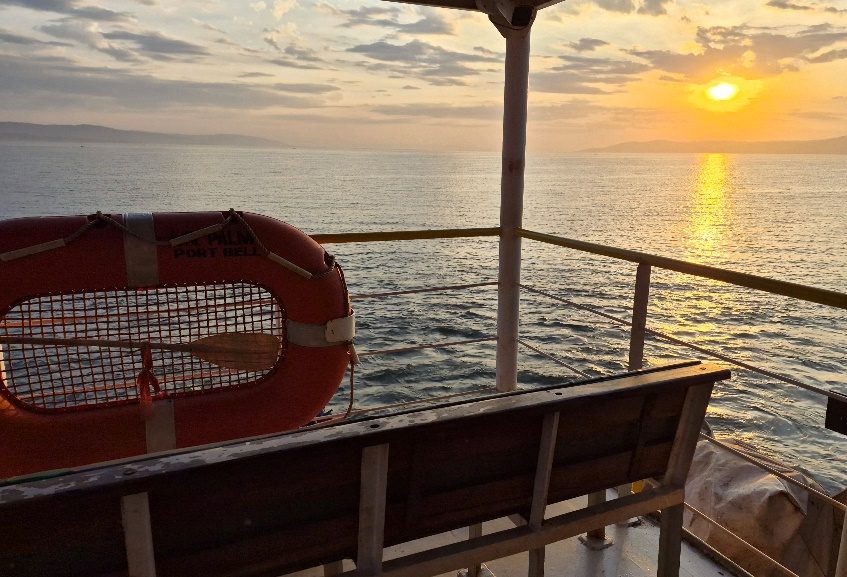
When we leave Shadia, she stands and waves, smiling broadly. The palliative care team has assessed her, given her medication to help her through the next few days and made a referral that could open the possibility of surgery.
We drive back towards the ferry, leaving her behind on the island; sailing into the golden rays of hope that one day, all patients who have palliative care needs in Africa will enjoy equitable access to palliative care to address their suffering.
APCA is an organization with a mission to ensure that palliative and comprehensive chronic care is widely understood, integrated into health systems at all levels, and underpinned by evidence in order to reduce pain and suffering across Africa. Donate today to help APCA and its partners reach people who should not have to face serious illness and pain alone.


